
Study #13
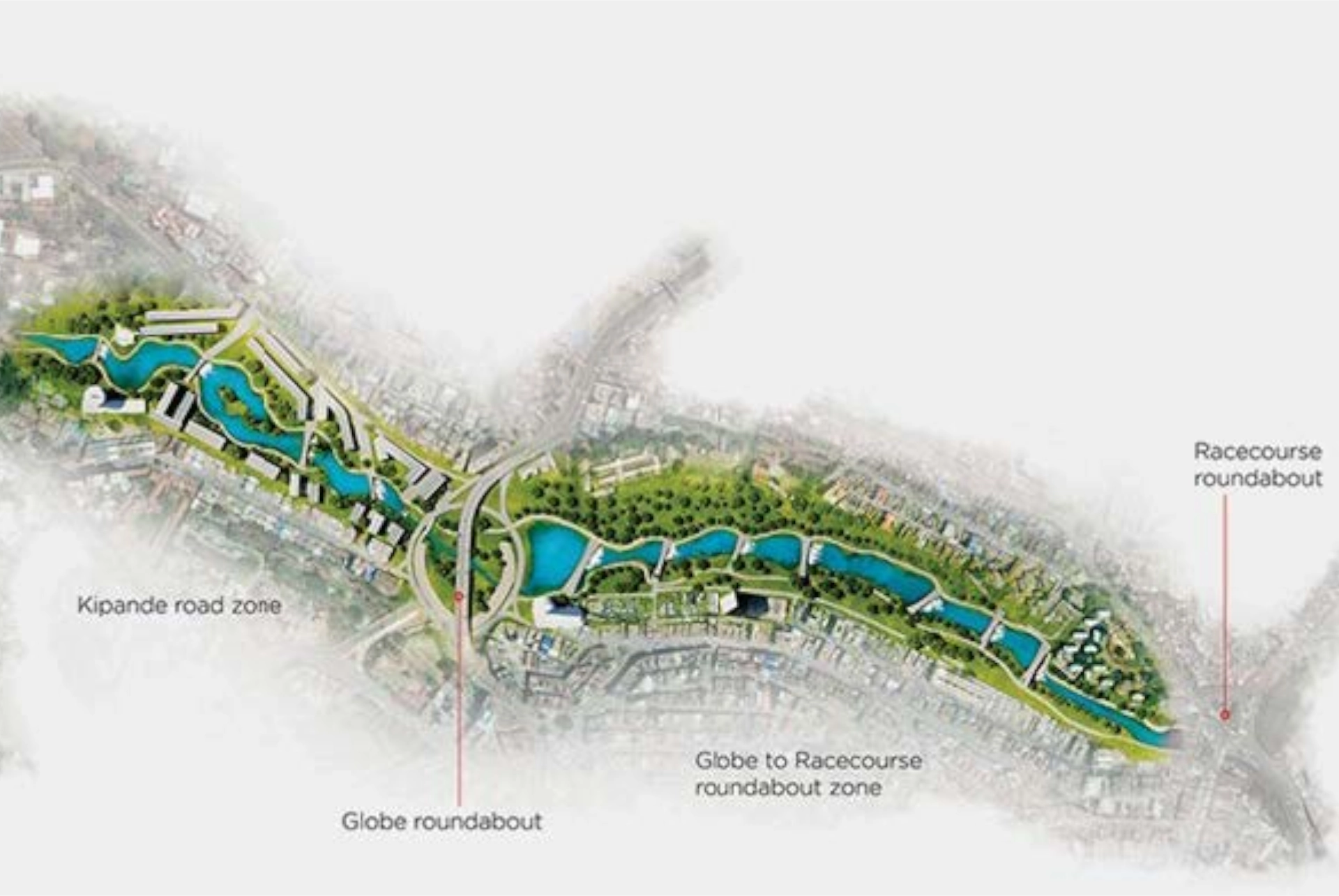
Figure: UN-Habitat. (2025). Nature-based solutions in urban regeneration. United Nations Human Settlements Programme.
STUDIES
2026-01-21
What can we learn from science? - 6 NBS practices by UN Habitat in Urban Regeneration
What science teaches us about urban regeneration?
The United Nations Human Settlements Programme (UN-Habitat) as part of its flagship programme “Inclusive Communities, Thriving Cities” in October 2025 published a document on urban regeneration which in their take is a data-driven, people-centred practise. They list 6 co-benefits of mutual NBS and Urban Regeneration practice.
First evidence-based decision making, and using tools like GIS, multi-criteria evaluation, and community data helps assess options and manage trade-offs. Second, participatory co-creation is engaging diverse stakeholders and local communities to design solutions that reflect real needs and local knowledge was placed very high. Third, multi-scale, practical frameworks, which range from neighbourhood revitalisation to basin-wide ecological planning, are usually best when supported by case studies. What's important here, fourth, nature-based methods, which are integrating green-blue infrastructure and ecosystem services not just for climate adaptation but for jobs, health, and equity. Fifth, learning from real examples, like from river restoration linked with livelihoods in Nairobi to blue-green networks in Belmopan. And lastly, sixth, monitoring, evaluation, and adaptive learning (often folded into evidence-based decision making) as a cherry element on the top.
Got it? This scientific approach with only 6 pillars helps planners, policymakers and communities build cities that are resilient, inclusive and thriving with nature at the core. Ready for the next lesson? ;)
Meher Bhagia, Alina Koschmieder, Fernando Rementeria, Mariana Saraiva de Melo Pinheiro. Nature-based Solutions in Urban Regeneration
https://unhabitat.org/nature-based-solutions-in-urban-regeneration