
Study #23
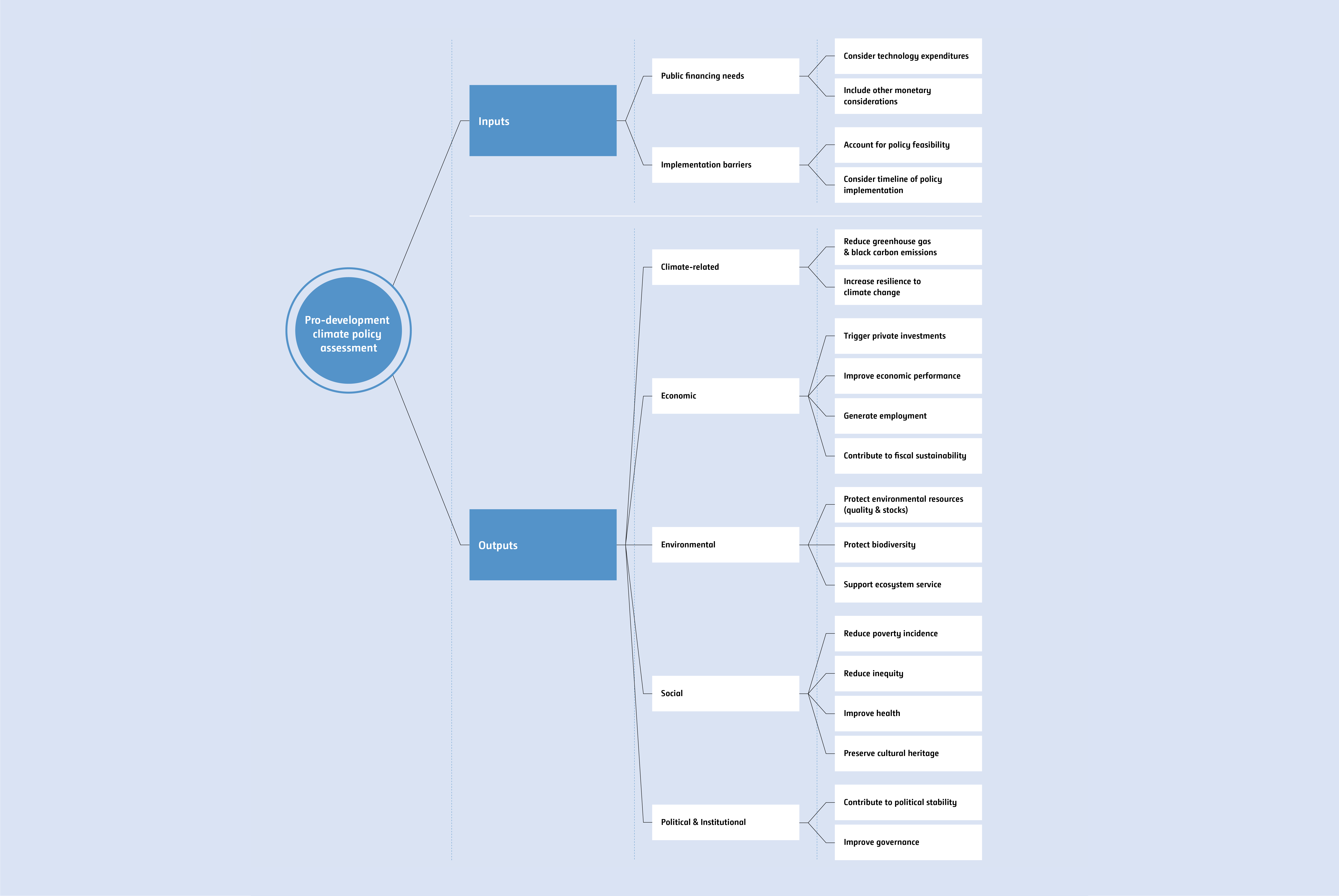
Figure: Generic criteria tree used to assess adaptation policy options.
STUDIES
2026-04-07
Nature-based solutions insights - assessing the costs and benefits of adaptation options
In 2011, the United Nations Framework Convention on Climate Change (UNFCCC) under the Nairobi Work Programme published a global assessment in Bonn, Germany examining how to evaluate the costs and benefits of climate adaptation options.
Scientists and adaptation experts didn’t focus on a single price tag - but they revealed how to think about the value of adaptation. Their work explains why understanding both the financial and societal returns of adaptation is critical for decisions on where to invest scarce resources.
They stated that adaptation includes health, ecosystems, livelihoods and more (many benefits aren’t easily monetized). Moreover, traditional Cost-Benefit Analysis (CBA) must be combined with Cost-Effectiveness & Multi-Criteria Analysis to fully capture trade-offs and non-market gains. On top of that, in real case studies (e.g., Nepal), disaster risk reduction options showed internal rates of return above 22%, far higher than typical discount rates - indicating strong economic sense to act early.
Investing in thoughtful adaptation planning pays off - not just in dollars saved from avoided damage, but in lives protected and resilient communities built.
UNFCCC (2011). Assessing the costs and benefits of adaptation options: An overview of approaches. United Nations Framework Convention on Climate Change.
https://unfccc.int/resource/docs/publications/pub_nwp_costs_benefits_adaptation.pdf