
News #15
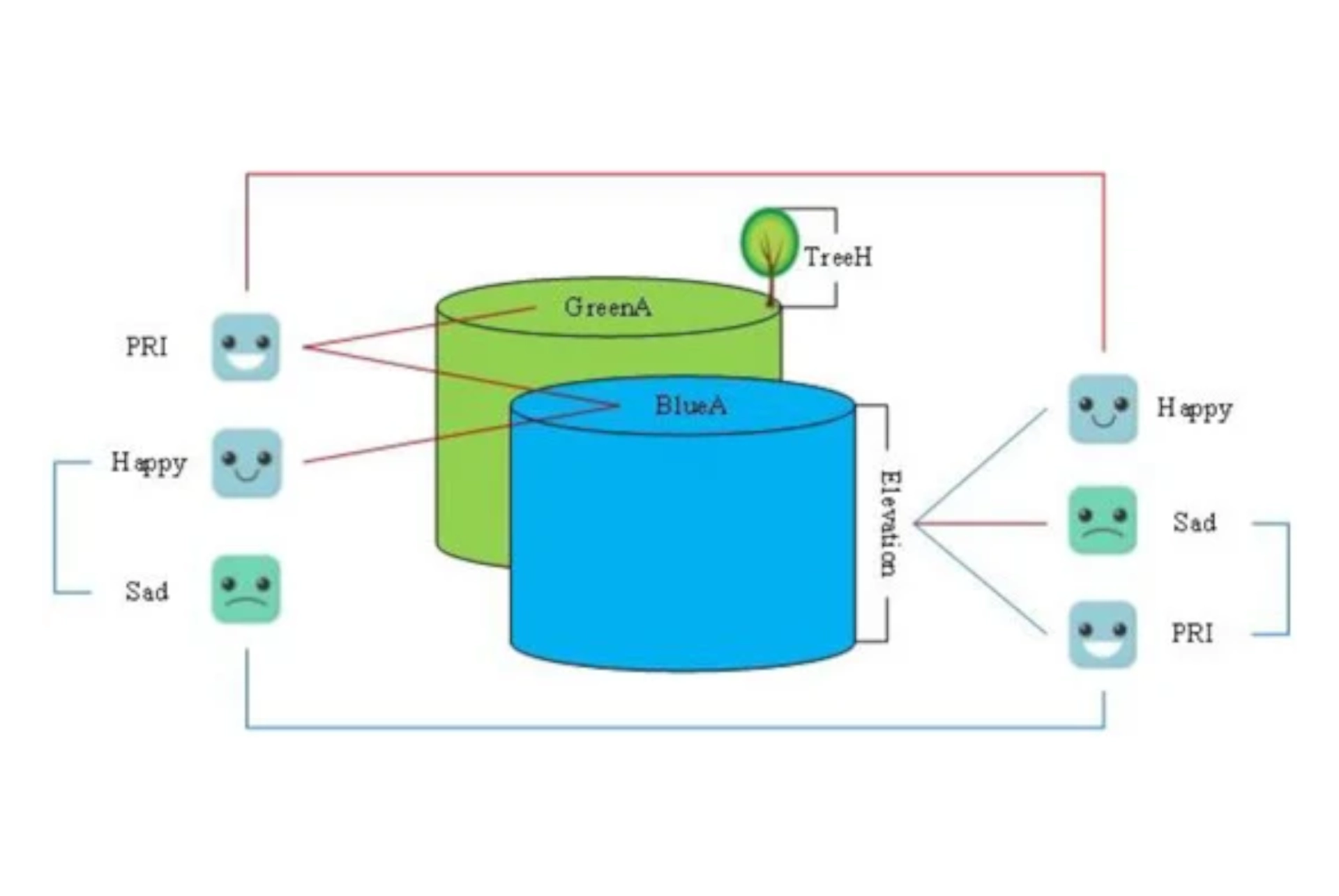
Figure: Conceptual descriptions of spearman correlations between landscape metrics and facial expression scores. Lines in red bridge two parameters with a positive relationship, and lines in blue with a negative. Abbreviations: GreenA, green-space area; blueA, blue-space area; TreeH, tree height; PRI, positive response index.
NEWS
2026-01-09
What can we learn from science?
In 2022 Hongyan Li et al. from Changchun Institute of Technology surveyed nearly 1,000 people (947 social media users) sharing photos from 20 wetland parks in eastern China helped show how Nature Based Solutions particularly green and blue spaces (NBS) influence our emotions. With a bit of technological help from face-recognition software, by reading facial expressions, the study found that both trees and water boost positive feelings, but water areas (lakes, rivers, bays) are especially powerful mood lifters. What they found is that older visitors tended to be happier in warmer southern parks, suggesting climate and geography matter for emotional wellbeing. Women showed higher happiness and overall positive response than men, while sadness stayed at a similar level for both genders. What can we learn from this study? For city design, this means that if we want happier, “emotion-smart” cities, we should create more accessible wetland parks with generous, well-integrated blue spaces at lower elevations. Combining trees, water, and comfortable microclimates can turn everyday urban spaces into nature-based solutions for better mental health.
Li, H., Peng, J., Jiao, Y., & Ai, S. (2022). Experiencing urban green and blue spaces in urban wetlands as a nature-based solution to promote positive emotions. Forests, 13(3), 473.
https://www.mdpi.com/1999-4907/13/3/473